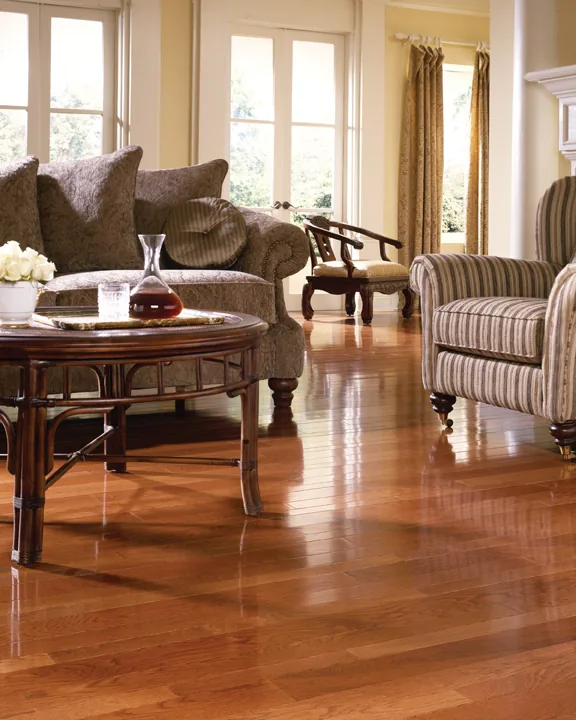
Kids are hard on floors. Toy cars, spilled juice, wet boots, chairs pushed back from the table and a dog running behind them all leave marks. Many parents start to wonder if hardwood still makes sense. In most homes it does, as long as the floor has the right finish and a few simple habits.
I’m Peter Dudzik. I have spent over 30 years installing, sanding and finishing wood floors, and our family-owned company has worked in homes across Chicago’s North Shore and the northwest suburbs since 1996. Here is what we tell families who want floors that look good and still hold up to everyday life.
Can hardwood floors really work in a home with kids?
Yes. Solid hardwood is a long-term floor. Scratches and worn spots are mostly in the finish on top, not in the wood itself. When the finish gets tired, it can be refreshed with a recoat. When the wood is damaged or you want a new color, it can be sanded and refinished. That is the big advantage of real wood: you are not stuck with the damage.
What matters most is choosing a finish made for heavy traffic, picking a color that hides everyday wear, and taking care of spills quickly.
Pick a finish built for heavy traffic
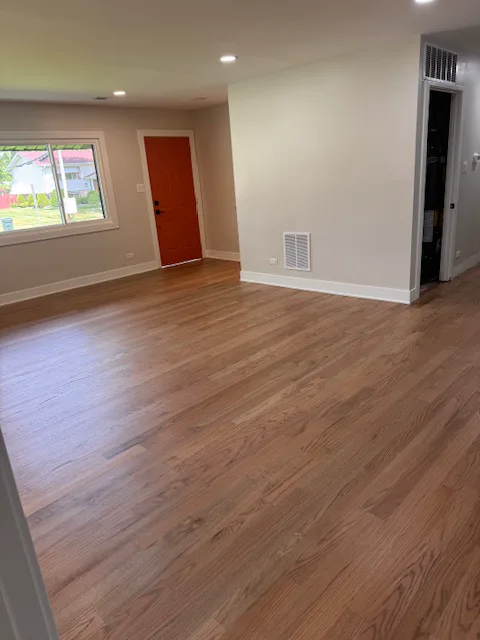
The finish is the part of the floor your kids actually walk and play on. On most of our jobs we use commercial-grade waterborne finishes such as Bona Traffic HD and Loba Supra A.T. They are made for busy floors and dry clear, without the strong yellow tone of older finishes.
- Sheen: satin is the most popular choice. It hides small scratches, dust and fingerprints much better than gloss.
- Number of coats: in busy areas such as kitchens, family rooms and hallways, an extra coat adds protection.
- Timing: light foot traffic is usually possible after about two hours and furniture can go back after about two days, depending on the finish system and conditions in the house.
Choose a color that hides everyday wear
Very dark floors show dust, paw prints and scratches quickly. Very light floors show dirt tracked in from outside. Mid-tone browns and natural oak colors are usually the most forgiving in a family home, because the grain of the wood helps hide small marks.
Stain looks different on every floor, so we never ask you to choose from a small store chip. We apply samples about 12 by 12 inches right on your own floor, so you can see each color in your rooms and your light before you decide. Read more about choosing a stain color for hardwood floors.
Spills, toys and scratches: simple daily habits
A good finish does most of the work, but a few habits make a big difference:
- Wipe up spills, water and pet accidents right away with a soft cloth. Standing water is the biggest risk for any wood floor.
- Put felt pads under chairs, tables and toy boxes, and check them a few times a year.
- Use washable rugs at entry doors and under play areas where toys get dropped and dragged.
- Keep grit off the floor. Sand and small stones under shoes act like sandpaper on the finish.
- Do not wet-mop or steam-clean hardwood. Use the cleaning products recommended for your finish; we go over them at the final walkthrough.
Kids’ rooms, playrooms and stairs
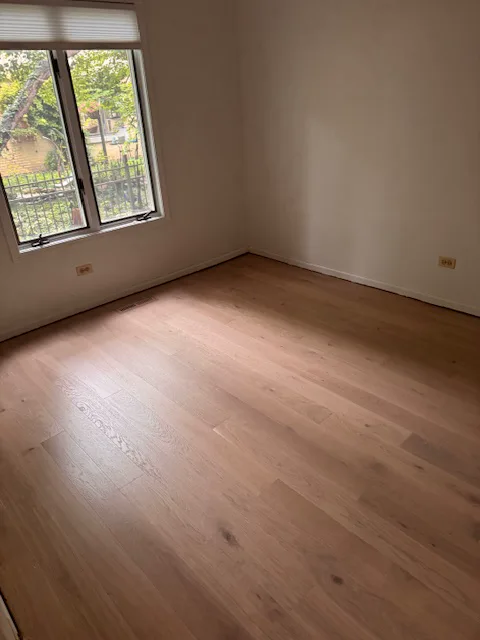
Bedrooms and playrooms get scratches from toys, but they rarely see the water that kitchens and entries do. A durable finish in satin and a rug where children play on the floor usually keep these rooms looking good for years.
Stairs take the hardest beating in a family home, especially the front edge of each tread. We refinish treads, risers and railings together with the floors so the color and sheen match, and we replace treads when they are too worn to sand again. See our stair refinishing page for details.
When to recoat and when to refinish
Not every tired floor needs a full sanding. If the finish looks dull and scratched but the wood underneath is not damaged, a buff and recoat adds a fresh protective coat and usually takes about one day. Doing this before the finish wears through is the easiest way to keep a family floor in good shape.
If there are deep scratches into the wood, gray worn paths, dents or water damage, or you want a different color, the floor needs sanding and refinishing. That usually takes about four working days. During the free estimate we look at your floor in person and tell you honestly which option fits.
Living at home while the floors are done
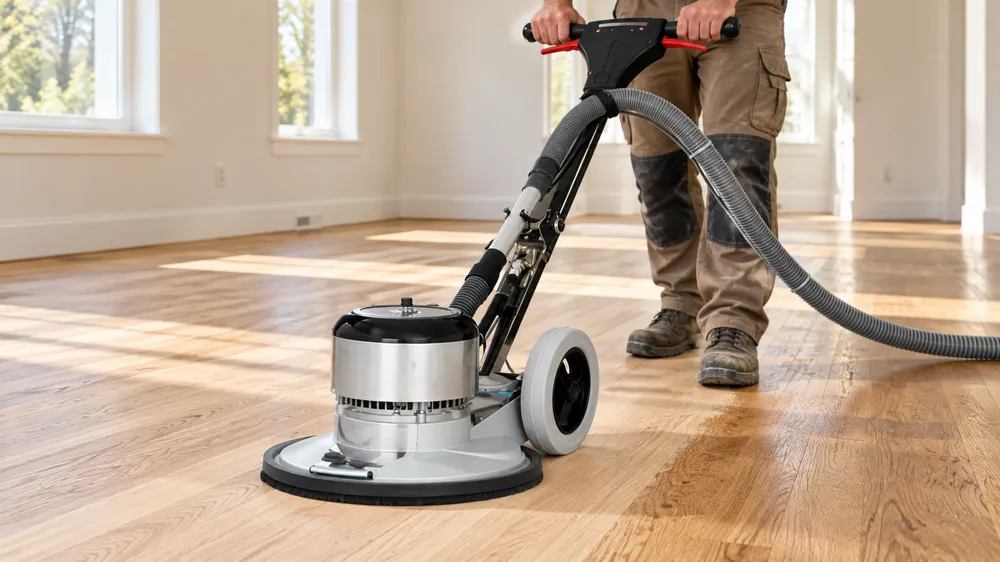
If you plan to stay at home during the work, we keep it manageable. We sand with dust-extraction systems (Oneida Vortex DCS and Bona Portable DCS 2.0), protect kitchen cabinets with clear plastic and blue tape, and plan the order of rooms with you so you can keep using the rest of the house. We explain ventilation and drying times, and when each room can be used again. Learn more about dust-contained floor sanding.
Questions parents ask us
Will the floor still scratch with a tough finish?
Yes, small surface scratches can still happen. A commercial-grade finish in satin makes them much less visible and protects the wood underneath. When the finish starts to look tired, a buff and recoat brings it back without sanding.
Is a gloss finish easier to clean?
Gloss is not harder to clean, but it shows scratches, dust and footprints more. Most families choose satin because it looks good for longer between cleanings.
How soon can kids walk on a new finish?
Light foot traffic is usually possible after about two hours, socks only and no toys or running. Furniture and rugs go back after about two days. We give you exact instructions for your finish at the final walkthrough.
Get a family-friendly floor plan for your home
Every house and every family is different. We come to your home, look at your floors and stairs, measure with a laser and give you a detailed written estimate at no cost. Request a free in-home estimate or call (847) 781-0100.