Why Choose 3 Strip Engineered Wood Flooring?
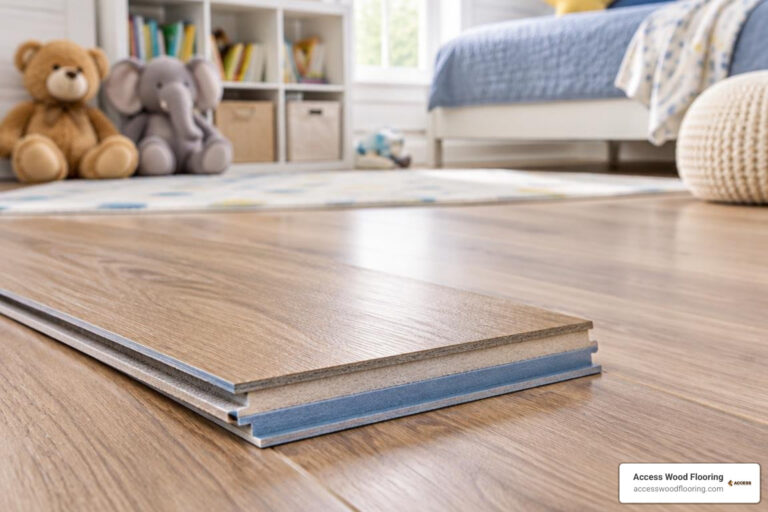
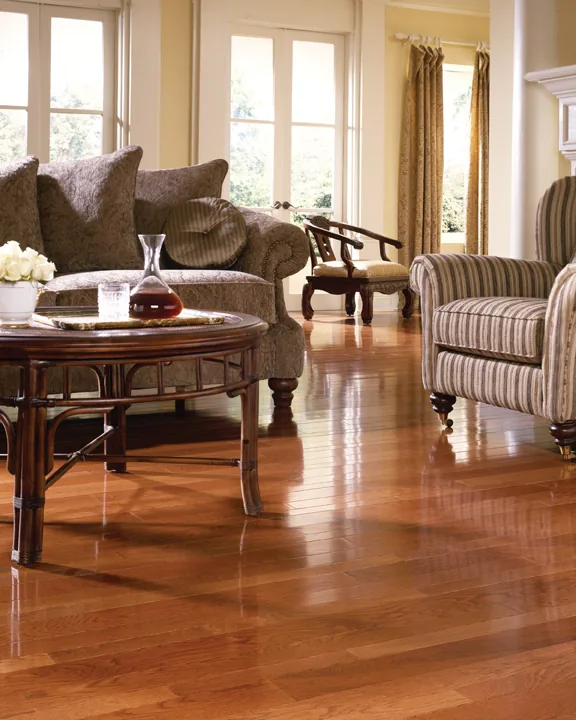
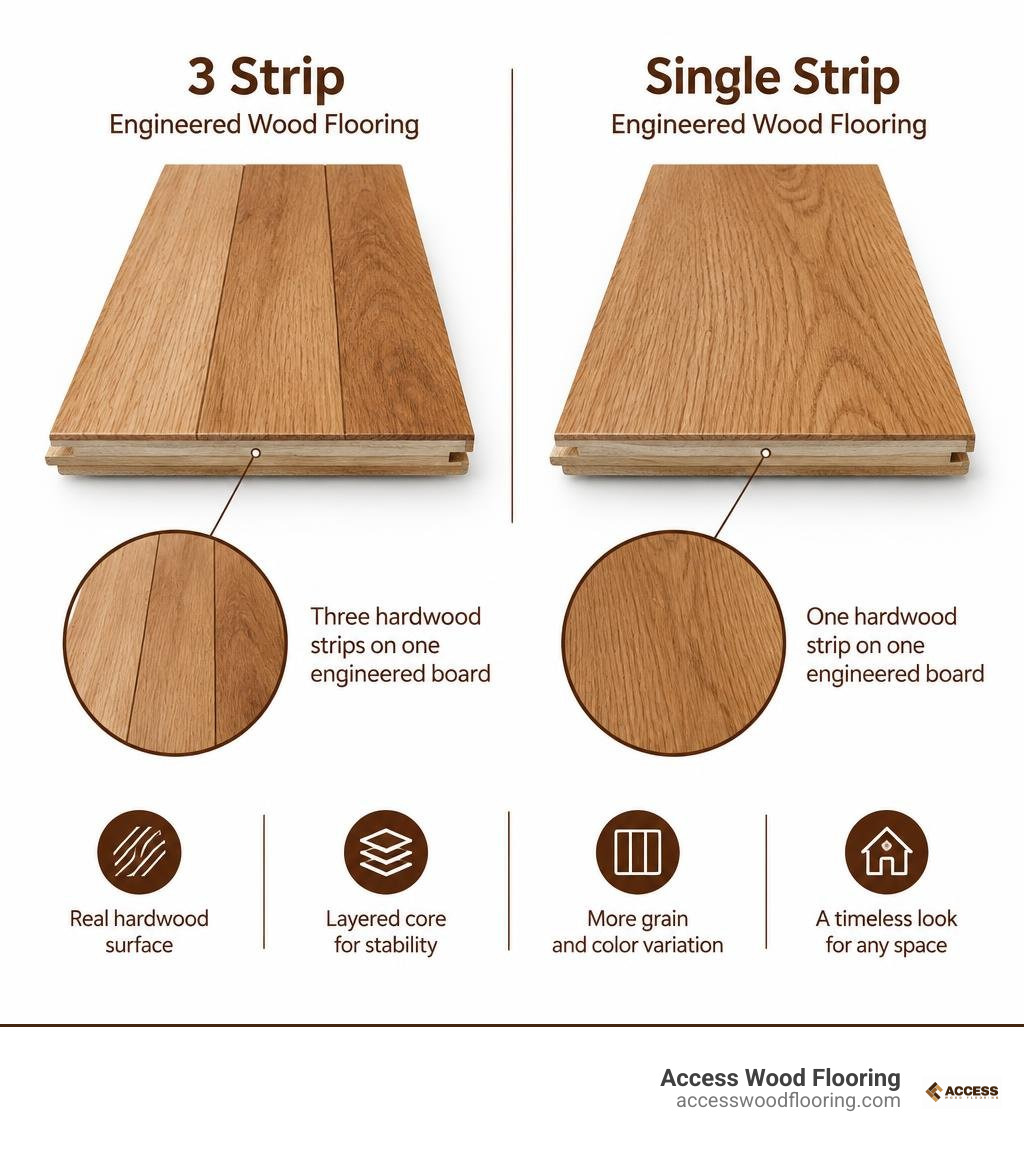
3 strip engineered wood flooring is one board with three narrow strips of real hardwood across its surface. Beneath the wood is a layered core that helps the board stay more stable as indoor conditions change. You get a lively, traditional wood look without installing each narrow strip separately.
Compared with a single-strip board, the pattern adds more grain and color variation. For a renovation, compare samples beside your existing floors and stairs before choosing a species or finish.
I’m Peter Dudzik. I have spent over 30 years installing, sanding and finishing wood floors, and this guide will help you weigh the practical trade-offs of 3 strip engineered wood flooring.
What Is 3 Strip Engineered Wood Flooring and How Is It Made?
To understand how these boards perform, look beneath the surface. Modern engineered wood flooring combines real timber aesthetics with advanced structural engineering.
A 3-strip board consists of three primary elements:
- The Hardwood Lamella (Wear Layer): The top decorative surface features three parallel, staggered strips of solid hardwood veneer bonded edge-to-edge.
- The Core Layer: Directly beneath the veneer sits a central core, commonly built from cross-laid pine or spruce lamellas, or high-density fiberboard (HDF).
- The Backing Veneer: A balancing layer of softwood runs parallel to the surface layer, sealing the core against ground-level moisture shifts.
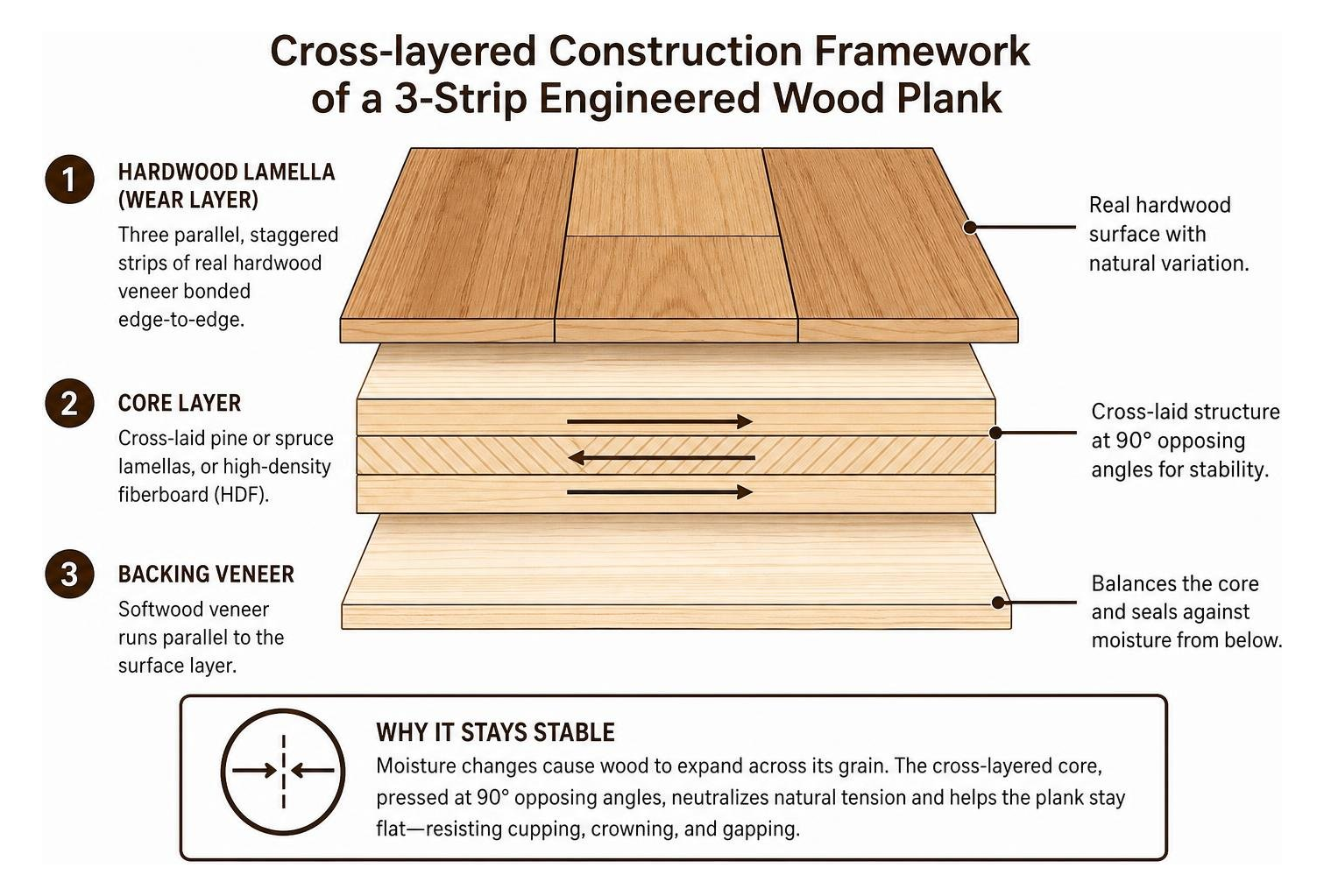
This cross-layer structure resists natural movement. When moisture increases, solid wood expands predominantly across its grain. By pressing the core layers at 90-degree opposing angles, the natural tension of the wood fibers neutralizes itself. The board stays flat and resists cupping, crowning, and gapping.
| Feature | Solid Hardwood | 1-Strip (Single Plank) Engineered | 3-Strip Engineered Wood |
|---|---|---|---|
| Surface Construction | Single piece of solid timber | One continuous wide hardwood veneer | Three narrow hardwood strips on one board |
| Visual Style | Traditional or rustic wide plank | Modern, expansive, minimalist | Classic linear rhythm, dynamic parquet look |
| Dimensional Stability | Vulnerable to humidity shifts | High structural stability | Superior multi-directional stability |
| Installation Speed | Slower (nail/glue individual boards) | Moderate to fast | Rapid surface coverage |
| Radiant Heat Compatibility | Limited (risk of shrinkage/gaps) | Generally compatible | Highly compatible across most species |
| Material Efficiency | Higher forest waste per plank | Requires large, flawless timber cuts | Maximizes raw timber yield efficiently |
Key Design Advantages and Aesthetics
The distinct visual flow of 3-strip planks sets them apart. Single-plank floors emphasize broad, sweeping grain lines, whereas a 3-strip design creates a refined linear rhythm.
Because each board features three staggered rows of timber, natural variations in color, sapwood, and grain direction disperse across the entire floor. This rhythmic arrangement produces a textured, parquet-like depth reminiscent of classic European interiors. In spacious, open-concept living rooms and long hallways, this balanced multi-tone layout prevents large surfaces from appearing flat or monotonous.
Benefits of 3 Strip Engineered Wood Flooring Over Single Plank
Beyond visual character, 3-strip engineered planks deliver measurable practical advantages:
- Efficient Surface Coverage: Because each plank measures between 200 mm and 215 mm in width, you lay the visual equivalent of three separate narrow hardwood boards in a single pass.
- Minimized Visual Seams: Individual plank boundaries blend naturally into the staggered internal strip pattern, creating a unified surface without heavy micro-bevel grooves catching dirt.
- Budget-Friendly Craftsmanship: Producing wide single planks requires mature, wide-diameter logs with minimal knots. 3-strip boards utilize narrower, expertly selected timber cuts, giving you high-end hardwood species at a fraction of the cost of broad single-strip floors.
If you appreciate decorative flooring geometry, pairing 3-strip layouts with custom wood floor patterns in bordering rooms establishes a cohesive, tailored architectural flow.
Popular Species, Surface Textures, and Sheen Levels
The choice of timber species and surface finish defines how your floor interacts with daily light and foot traffic:
- Oak (European & American): The industry standard for balanced grain and hardness. Available in clean select grades (AB) as well as character grades (ABCD) featuring natural knots and mineral streaks.
- Maple & Beech: Dense, closed-grain timbers that provide smooth, creamy tones with minimal grain distraction.
- Walnut: A rich, dark luxury hardwood that displays deep chocolate hues and flowing figure patterns.
- Ash: Highly resilient with dramatic, contrasting growth rings that stand out beautifully under contemporary finishes.
Finishing options range from ultra-matte and satin lacquers to natural penetrating oils. Factory-applied, multi-layer UV-cured acrylic coatings seal the pores against spills and scuffs while preserving the tactile quality of the wood. If your renovation requires matching existing stairs or adjacent rooms, professional hardwood floor staining can harmonize color tones across different species.
Technical Specifications: Thickness, Wear Layers, and Underfloor Heating
Understanding board dimensions helps ensure seamless transitions at doorways, kitchen islands, and baseboards.
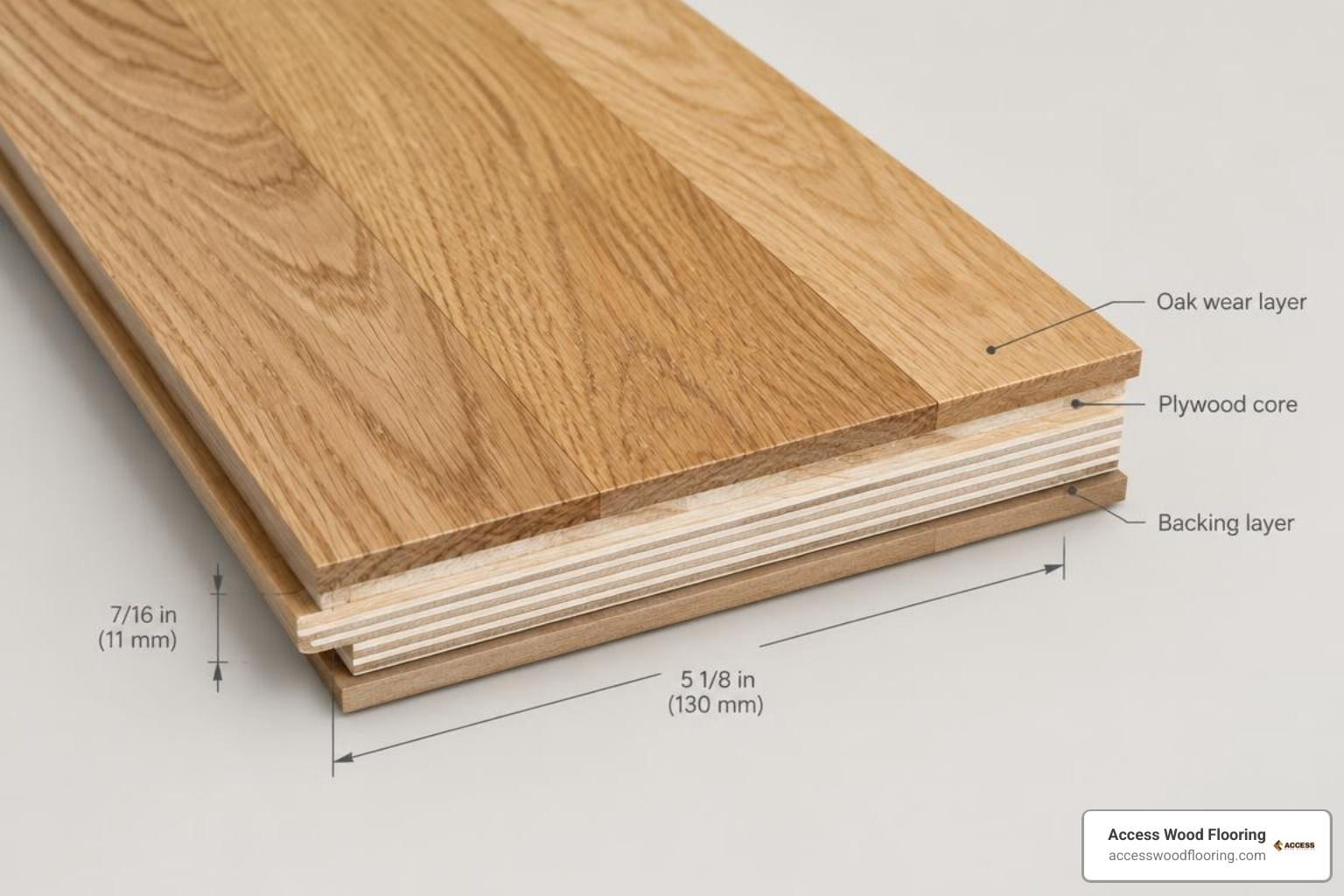
Standard 3-strip planks generally adhere to these structural dimensions:
- Total Thickness: Commonly 13 mm to 15 mm (such as standard 14/3 profiles).
- Board Width: Typically 200 mm to 215 mm (approx. 7-7/8″ to 8-1/2″).
- Board Length: Extended spans between 2200 mm and 2423 mm (approx. 86″ to 95″), which reduce end-joints across long rooms.
Wear Layer Thickness and Sanding Potential
The top hardwood lamella typically measures between 2.5 mm and 3.2 mm (approx. 1/8 inch). While thinner than a 3/4-inch solid plank, this engineered veneer provides ample timber for residential use.
A quality 3-strip floor with a 3 mm wear layer can be screened and recoated multiple times to refresh the finish, or fully sanded down 1 to 2 times over its lifespan. Using modern, dust-contained hardwood floor sanding techniques removes micro-scratches without needlessly stripping away valuable veneer depth.
Dimensional Stability and Radiant Heating Compatibility
Because wood naturally expands and contracts with thermal shifts, solid planks over radiant heat can shrink, crack, or gap. The cross-ply core of 3-strip boards disperses internal expansion forces evenly, allowing heat to transfer upward without warping the plank.
Most species—including oak, ash, and walnut—operate reliably over hydronic or electric radiant systems embedded in screed (note: high-density exotic woods like Brazilian Cherry are generally excluded). Maintaining a stable floor surface temperature (typically capped at 80°F / 27°C) keeps the adhesive bonds and surface lacquers in peak condition.
Installation and Subfloor Preparation Guide
A successful installation depends on thorough subfloor prep. Wood moves when moisture levels fluctuate, so check that your concrete or plywood subfloor is clean, structurally sound, and level within 3/16 inch over a 10-foot radius.
Always test concrete slabs for relative humidity and moisture vapor emissions before laying planks. Allow your packaged flooring to acclimate flat in the climate-controlled installation area for at least 48 hours. When laying out the boards, leave an expansion gap around all perimeters to accommodate seasonal shifts. For complex layouts, hiring a hardwood installation team ensures clean cuts and level transitions.
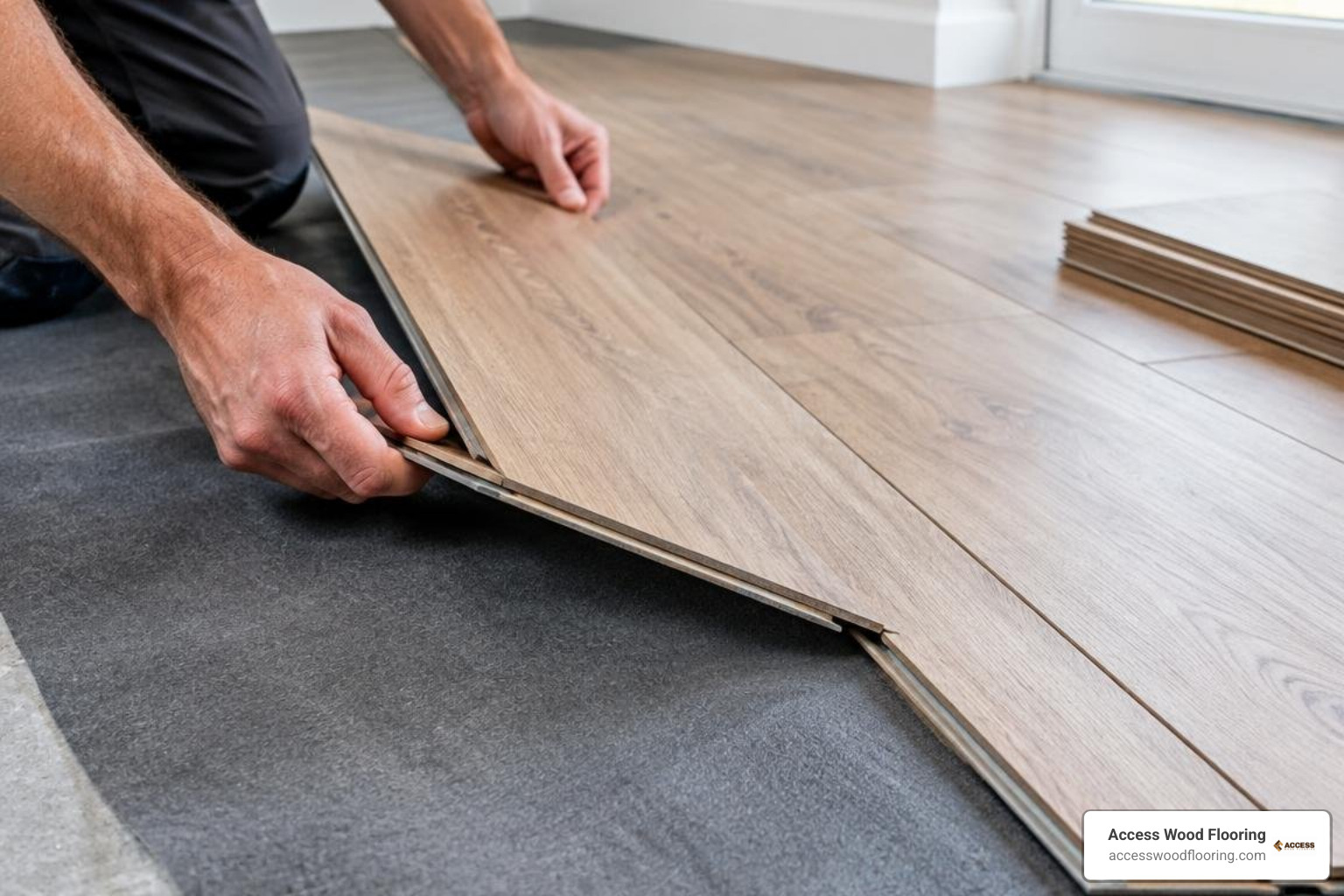
Installing 3 Strip Engineered Wood Flooring: Click-Lock vs Professional Fitting
3-strip boards are manufactured with two main joining profiles:
- 5G Click-Lock Systems: Advanced mechanical profiling allows boards to drop and lock together smoothly without wet glues or nails. This profile is popular for floating floor installations over an approved underlayment.
- Tongue and Groove (T&G): The classic joinery method, preferred when permanently gluing boards directly to concrete or blind-nailing to wood subfloors. Direct glue-down installations provide solid underfoot acoustics with zero hollow deflection.
Essential Underlayments and Perimeter Trims
To complete your floating floor system, select the proper accessories:
- Vapor Barrier & Acoustic Underlay: A high-density closed-cell foam or cork underlay with an integrated damp-proof membrane (DPM) stops subfloor moisture and dampens footfall noise.
- T-Moldings & Reducers: Bridge expansion transitions between rooms or step down smoothly to adjacent tile or carpet.
- Scotia / Base Shoe Beading: Conceals perimeter expansion gaps along existing baseboards.
- Flush Stair Nosings: Profiles designed to lock into standard planks for a clean, cohesive transition on steps.
Long-Term Maintenance and Care Routine
Caring for engineered wood is simple with a consistent cleaning routine:
- Daily/Weekly Dusting: Sweep with a soft-bristle broom or vacuum using a dedicated bare-floor brush attachment to prevent grit from scratching the topcoat.
- Damp Cleaning: Clean with a well-wrung microfiber mop and a pH-neutral hardwood floor cleaner. Never use steam mops or harsh wax-based polishes.
- Surface Protection: Place high-density felt pads under chair legs and heavy furniture, and use breathable entry mats at exterior doorways to trap grit.
- Climate Management: Keep indoor relative humidity between 35% and 55% year-round using humidifiers or dehumidifiers as seasons shift.
If your floor shows light surface wear after years of foot traffic, professional hardwood services like screening and recoating can restore clear luster without a full sand-down.
Frequently Asked Questions About 3-Strip Hardwood Floors
Can 3-strip engineered wood flooring be refinished?
Yes. Planks with a wear layer of 2.5 mm to 3.2 mm can undergo professional screening and recoating multiple times, as well as 1 to 2 complete sandings over their lifespan. A contractor will measure the remaining veneer depth before beginning work.
How does 3-strip flooring handle moisture and temperature changes?
Its cross-ply backing distributes expansion and contraction across opposing directions. This construction minimizes the cupping and board separation often seen in solid timber when seasons change or radiant heating runs.
Is 3-strip engineered wood cheaper than 1-strip wide plank?
Yes. Creating wide single-strip planks requires large, pristine sections of mature timber. 3-strip surfaces use narrower, staggered wood pieces, yielding significantly less material waste during milling and delivering an authentic hardwood surface at a lower cost per square foot.
Conclusion
3-strip engineered hardwood offers a balanced blend of traditional character, modern structural stability, and smart material efficiency. Its multi-tonal surface adds visual interest to living areas, while its cross-layered core provides peace of mind over radiant heating systems.
To explore real-world installations and find inspiration for your home, browse our flooring gallery. When you are ready to evaluate species, finishes, and plank dimensions in your own space, schedule a free in-home estimate with Access Wood Flooring to get started.